Diamond Jubilee: Union Station, St. Louis


July 2021
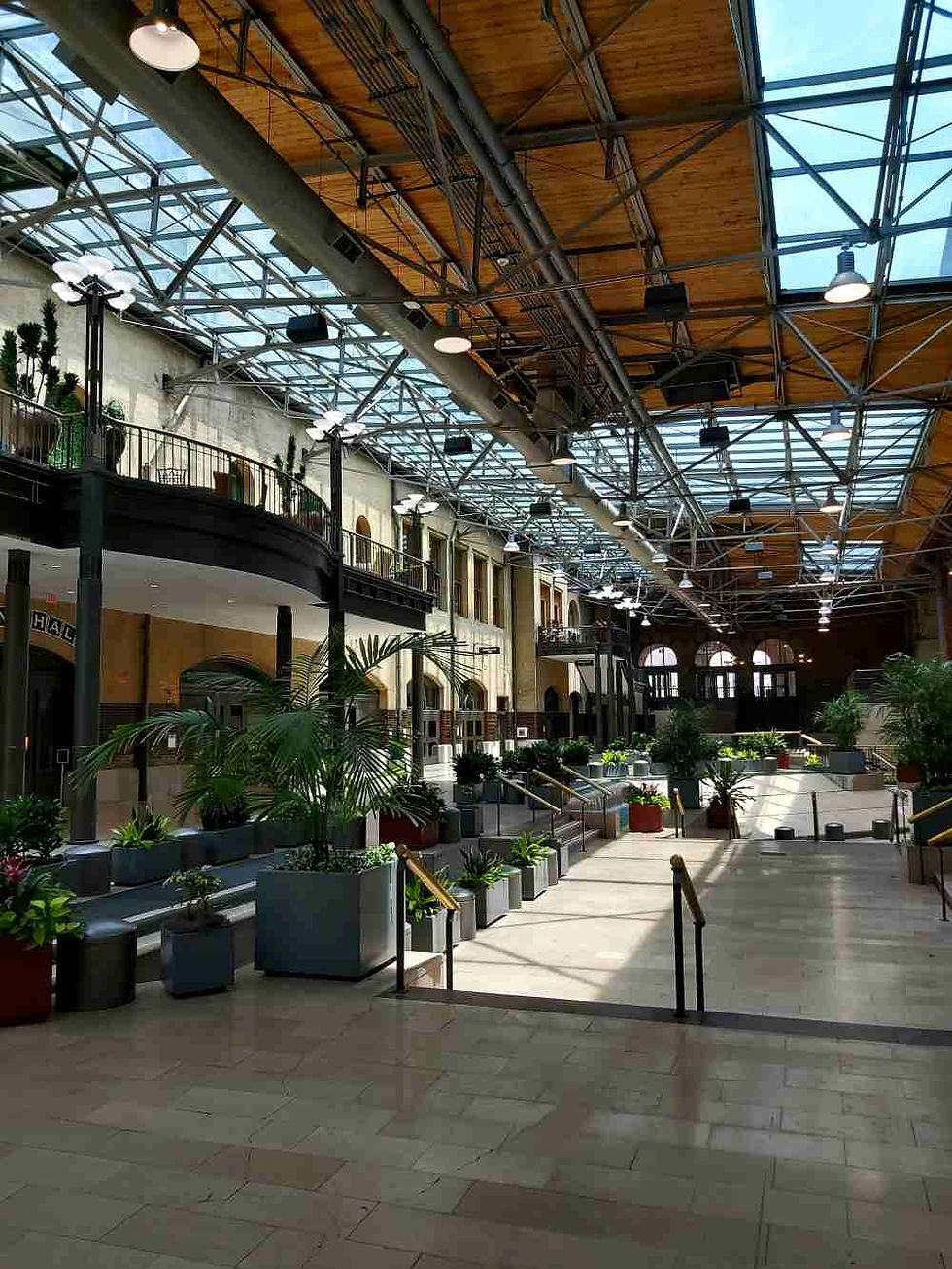
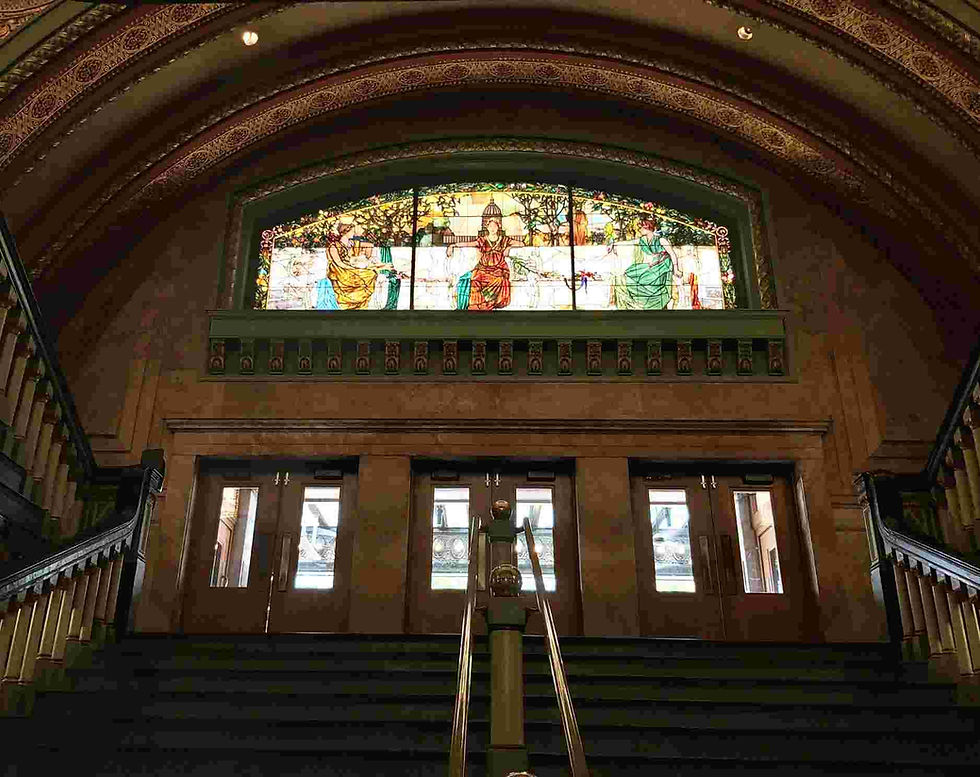
The first train pulled into Union Station on September 1, 1894 at 1:45pm, ushering in a new and exciting time for St. Louis. The city known for being the gateway to the West suddenly became a gateway to all of America. Over the next several years, Union Station would become one of the largest and busiest passenger rail terminals in the world. The station saw some of its highest traffic during the World’s Fair of 1904 and World War II. Travelers moved in droves through the station, where a regular day’s capacity of more than 100,000 people was normal, and the midway became the most popular spot to see and be seen. People like President Harry Truman, Joe DiMaggio, Joan Crawford and St. Louis baseball teams the Browns and the Cardinals all made appearances at Union Station. The gorgeous Grand Hall was the main waiting room. Its 65-foot barrel vaulted ceiling featured an elegant two-ton wrought-iron chandelier with 350 light bulbs. Inspired by the walled city of Carcassone in southern France, architect Theodore C. Link designed an elegant and modern version of a feudal passageway. And the midway was the real place to see. The platform, surrounded by a highly admired steel and glass wall decorated with ornamental wrought iron gates, held an exciting view of the trains coming and going. When America entered WWII, both the chandelier and the midway wall were sacrificed to the war efforts. Just off the Grand Hall was a 75-room hotel, which served railroad personnel and businessmen or travelers passing through town. Rooms were sparsely furnished with a bed, nightstand and water pitcher and bowl to wash up. Guests shared a communal bathroom on the first floor. It was a quiet respite from the hustle and bustle of the station. The final passenger train departed on October 31, 1978 at 11:38pm, closing the first chapter in the station’s history. While St. Louis Union Station lay dormant for a time, St. Louis itself continued to grow, bringing Busch Stadium, the Enterprise Center and City Museum right around the corner. Rather than let the grand architecture of Union Station go to waste, the building found new life. In August 1985, Union Station was reopened as a mixed-use complex featuring retail shops, event spaces and restaurants where tourists and locals alike could come and spend the day enjoying downtown St. Louis.
After leaving a depressing downtown, I came back to the Gateway Mall and found the impressive Union Station Terminal at the far end. Fronted by Aloe Plaza, the station area was cleared of "slums" in the 1930s to create a suitable view for people arriving to the city by train. The centerpiece of the plaza is the "Meeting of the Waters" - a fanciful sculpture that depicts the meeting of the Missouri and Mississippi Rivers (which was the intended site of St Louis except that the land there was swampy).
The terminal now is a hotel and the grand entrance lobby, a vast luxurious space that still dazzles visitors. Even the toilet entrance is over the top. St. Louis Union Station was added to my list of "wow" stations in the USA (not beating out Cincinnati, however). I wandered the old hall and then walked behind it. The former platforms had been repurposed into a variety of things. The entire station complex and railyard is now one entertainment complex. I have to say, it is well-purposed - at least it was not torn down. My only issue was that the current train station is so dire. In my opinion the old one is still capable of serving that purpose (for a handful of daily trains).
St Louis is spread out - the station is "far" from the river and the rest of downtown (although still walkable) in a city that has largely become pedestrian unfriendly. Union Station appears to stand alone (next to Aloe Plaza) as its own unit. If I had designed things, I would have built the Gateway Arch near the train station and preserved "old St Louis" along the river. St Louis lacks a historic core, sadly.
The visit was during COVID so I found it difficult to gauge things. St Louis overall appeared dead, but later reports from friends told me it is almost always that way. Now a city where people drive from the suburbs, park, attend events, and leave, Union Station does not feel connected to downtown whatsoever. That saddened me even as I felt happy that its redevelopment had been so thoughtful.
On the journey to that point, I had seen great old stations in Cleveland, Cincinnati, Indianapolis, and Springfield. None of them were still in use for transportation. All were striking in their architecture, however.
I wonder what buildings from the late 20th century will be preserved as a legacy of the time in which I live?


Comments